

A clear guide to scope, cost, and expectations
Remodeling costs can feel confusing—especially when you hear a wide range of numbers for what seems like the “same” project. The reality is that remodeling is not a one-size-fits-all service. Each home, each client, and each project brings its own variables. Understanding those variables early is one of the most important steps toward a successful remodeling experience.
The age of the home, existing conditions behind walls, current code requirements, design complexity, material selections, layout changes, and product availability all influence overall investment. Two projects that look nearly identical on the surface can require very different solutions once construction begins.
To create clarity early, Synergy Builders uses a Good / Better / Best framework paired with a simple color-coded investment guide. This helps clients understand how scope, complexity, and expectations align with cost—before design and construction are underway.
————————————————————————————————————————————————————————————————————————————–
How to Read Our Investment Guide To Determine Remodeling Costs
We use color to visually represent how investment typically increases as scope and complexity grow:
Blue – Lower Investment Range
Simpler scope, minimal layout changes, and standard, entry-level finishes.
Green – Moderate Investment Range
Upgraded materials, thoughtful enhancements, and selective layout or system changes.
Yellow / Orange – Elevated Investment Range
Design-driven decisions, higher-end finishes, and increased coordination and complexity.
Red – Premium Investment Range
Custom solutions, major reconfiguration, and luxury or one-of-a-kind materials and features.
As projects move from Blue toward Red, variability naturally increases. Existing conditions, structural requirements, mechanical systems, permitting, lead times, and design coordination all begin to play a larger role in cost.
————————————————————————————————————————————————————————————————————————————–
Finish Levels and Product Selections Matter
One of the most visible drivers of remodeling costs is the level of finishes selected. These can range widely.
On the lower end, projects may include functional, entry-level products that meet performance needs but offer limited customization. As investment increases, selections may include higher-quality materials, better durability, enhanced aesthetics, and more refined details.
At the highest end of the spectrum, finishes may include custom cabinetry, artisan-made tile, specialty stone, or one-off designer pieces created specifically for a project. These selections often require longer lead times, specialized installation, and additional coordination—all of which influence cost.
————————————————————————————————————————————————————————————————————————————–
Different Contractors, Different Approaches
Another important variable in remodeling costs is how the project is delivered.
Some homeowners work with small, independent contractors who focus primarily on labor. These professionals can be very skilled at what they do, but they may not offer complete solutions. In these cases, clients often take on significant responsibility themselves, including design work, product selection, color coordination, sourcing materials, and arranging deliveries.
At the other end of the spectrum are full-service, white-glove, turnkey design-build firms. These firms guide the project from early conceptual thinking through construction, and in some cases even through furnishing and decorating. This approach reduces the burden on the homeowner but typically comes with a higher investment due to the level of service and coordination involved. Check out the Synergy Builders Process to see if what we offer is a good fit for you!
Neither approach is right or wrong. The best fit depends on how much involvement, guidance, and support a client wants throughout the process.
————————————————————————————————————————————————————————————————————————————–
The Age of the Home and the Reality of Repairs
The age of a home plays a significant role in remodeling cost. Remodeling often includes an element of repair.
Older homes tend to require more corrective work. Plumbing, electrical systems, framing, insulation, and other components may need updating or replacement. Newer homes—generally built from the mid-1990s to today—often require less repair work, which can reduce certain variables.
It’s also important to understand that building codes and construction practices have evolved over time. Homes built decades ago are not “wrong” or defective. They were built to the standards of their era. Remodeling often involves updating systems to meet current expectations, safety standards, and building science—not correcting past mistakes.
————————————————————————————————————————————————————————————————————————————–
Layout Changes and Flow
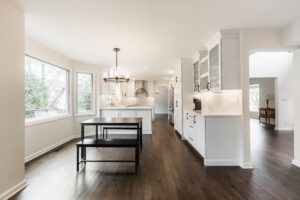
Keeping the general shape of a space intact is
typically more cost-effective. When walls, plumbing fixtures, electrical locations, and mechanical systems remain largely in place, complexity is reduced.
As soon as a project begins to reinvent the flow of a space—moving walls, relocating plumbing, reworking electrical systems, or altering structural elements—cost and coordination increase. These changes can dramatically improve function and livability, but they also require additional planning, engineering, and construction effort.
————————————————————————————————————————————————————————————————————————————–
Chicagoland Suburbs and Local Codes
In the Chicagoland suburbs, cost variability is further influenced by local municipalities. Each suburb may adopt and interpret building codes differently. Requirements are not always consistent from one town to the next.
Permitting processes, inspections, and local amendments can affect scope, timelines, and cost. This local complexity is an important consideration when comparing projects across different communities within the region.
————————————————————————————————————————————————————————————————————————————–
How Much Design Support Do You Need?
Another layered cost factor is the level of design and decision-making assistance a client prefers.
Some clients are very independent. They arrive with clear ideas, make decisions quickly, and require minimal guidance. Others prefer extensive support—help navigating options, refining selections, coordinating finishes, and making confident choices.
The amount of time, expertise, and structure required to support these decisions can vary widely, and that support level plays a role in overall remodeling costs.
————————————————————————————————————————————————————————————————————————————–
Using Cost-Per-Project Resources Wisely
There are excellent industry resources available to help establish broad expectations. One commonly referenced tool is the Remodeling Magazine Cost vs. Value Report, which is updated annually.
These reports can be helpful for understanding national and regional trends. However, they are often misunderstood. Many of the projects referenced reflect lighter-scope renovations rather than comprehensive remodels.
Synergy’s typical projects often involve demolition to the framing, system updates, and a fully turnkey rebuild that stops just short of furnishings and décor. When comparing resources, it’s important to understand differences in scope so expectations stay aligned.
————————————————————————————————————————————————————————————————————————————–
Why We Start with a Conversation
With so many variables involved, remodeling is never a simple formula. That complexity is exactly why we offer no-pressure, no-cost initial consultations.
Every home and every client is unique (check out our project gallery) . Sometimes the most valuable step is simply talking through the options with a real person who understands the process. Whether you are early in your research or ready to move forward, we’re always happy to help clarify variables, answer questions, and explore what makes the most sense for your situation.
If you ever want to talk figure out what your remodeling costs may be, you can always pick up the phone and call. We’re here to help. Our number is 630-293-8070, press 1 for consultation requests.
Ready to get the ball rolling? Fill out an online contact form and have a project developer reach out to you directly: Schedule a Consultation